Protein-Rich Foods
Introduction
Protein is one of the three macronutrients essential for various body functions. Understanding sources of dietary protein helps explain how to achieve protein intake through diverse food choices. This article explores protein-rich foods from an educational perspective.
Animal-Based Protein Sources
Animal products contain complete proteins with all essential amino acids:
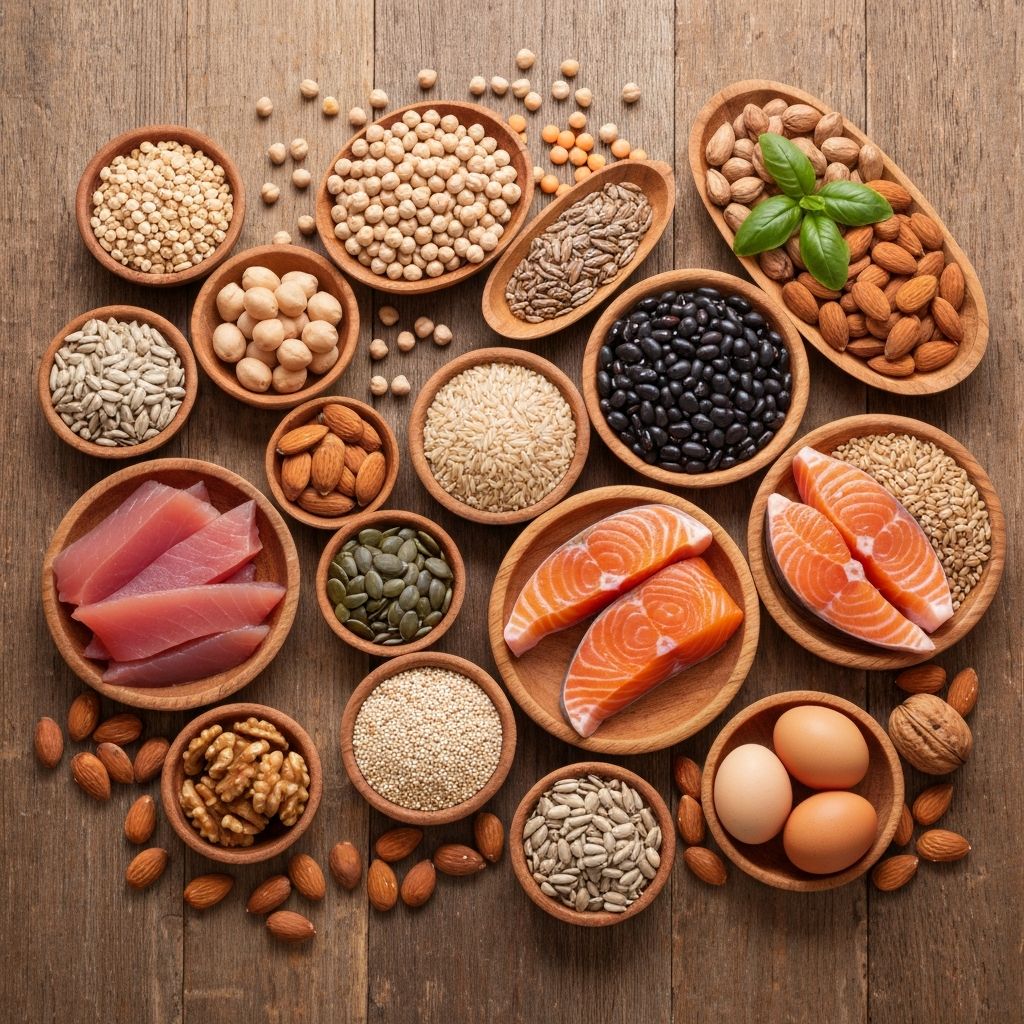
- Fish and Seafood: High in protein and omega-3 fatty acids
- Poultry: Lean protein source with varying fat content
- Meat: Provides protein, iron, and B vitamins
- Eggs: Complete protein source with diverse micronutrients
- Dairy: Protein combined with calcium and other nutrients
Plant-Based Protein Sources
Plant foods also provide protein, though often with different amino acid profiles:
- Legumes: Beans, lentils, and peas provide protein and fiber
- Nuts and Seeds: Concentrated sources of protein and healthy fats
- Whole Grains: Contain protein along with carbohydrates and fiber
- Soy Products: Complete protein sources with diverse applications
Amino Acid Composition
Different protein sources have different amino acid compositions. Essential amino acids must be obtained from food, while others can be synthesized by the body. Understanding these differences helps explain nutritional variety in meal planning.
Protein in Balanced Meals
Including protein from various sources contributes to meal balance. Different foods combine protein with other nutrients in varying ratios. This diversity supports different approaches to everyday meal composition.
Important Disclaimer
This article provides educational information about protein-rich foods and their nutritional composition. It is not medical advice or recommendations for specific protein intake. Individual protein needs vary based on age, activity level, health status, and other factors. Selection of protein-rich foods should be based on personal preference, cultural practices, and individual circumstances.
Back to Blog