Incorporating Nutrient-Dense Foods into Daily Meals
Introduction
Understanding how to combine nutrient-dense foods in everyday meals is an important aspect of nutrition education. This article explores practical approaches to meal composition from an educational perspective, without providing personal recommendations.
Meal Composition Principles
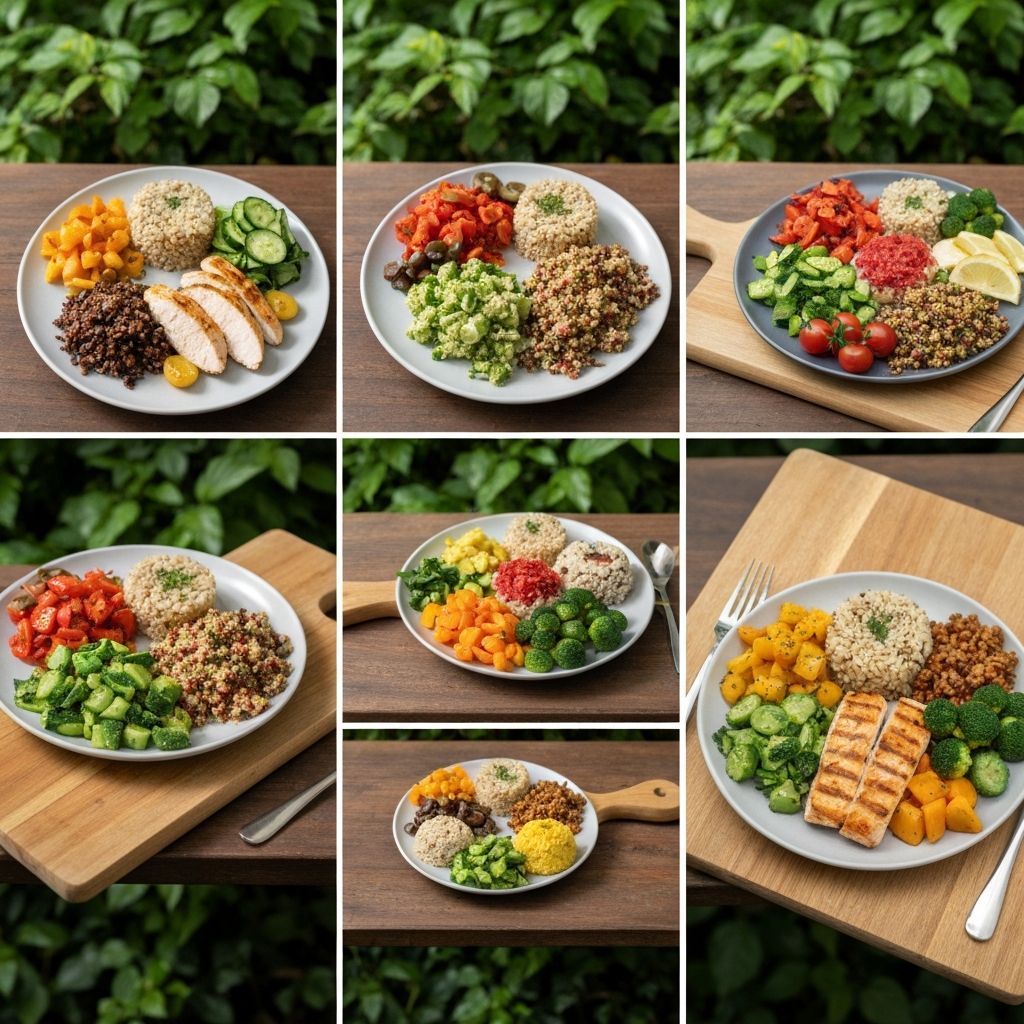
Creating balanced meals typically involves including foods from multiple categories:
- Vegetables and Legumes: Primary sources of vitamins, minerals, and fiber
- Protein Source: Can be animal or plant-based
- Whole Grains or Starchy Foods: Provide carbohydrates and additional nutrients
- Healthy Fats: From nuts, seeds, oils, or other sources
Food Preparation Methods
Different preparation methods can affect nutrient retention and food properties. Raw, cooked, steamed, roasted, and other preparation approaches may have different impacts on nutritional value. Understanding these differences supports informed decision-making in meal preparation.
Variety and Rotation
Including different foods across meals and weeks ensures exposure to a diverse range of nutrients. Seasonal availability often guides which foods are accessible at different times of year. This natural rotation supports nutritional diversity from an educational standpoint.
Practical Meal Planning Considerations
From an educational perspective, meal planning involves considering:
- Available foods and seasonal options
- Personal food preferences and cultural practices
- Time and resources for food preparation
- Budget considerations
- Food storage and preservation methods
- Food safety practices
Everyday Application
The principles of nutrient density can be applied flexibly to everyday meals. Whether preparing simple meals or more elaborate preparations, the concept of combining various food groups applies universally. Approaches to meal composition can vary widely based on individual circumstances and preferences.
Important Disclaimer
This article provides educational information about incorporating nutrient-dense foods into daily meals. It is not a personal recommendation or meal plan. Individual nutritional needs, preferences, cultural practices, and circumstances vary significantly. Decisions about meal composition should be based on personal circumstances, preferences, and where appropriate, consultation with relevant professionals. There is no single optimal approach to nutrition that applies universally to all people.
Back to Blog